ESA/CAS Smile Mission: Mapping Earth's Magnetosphere and Auroras
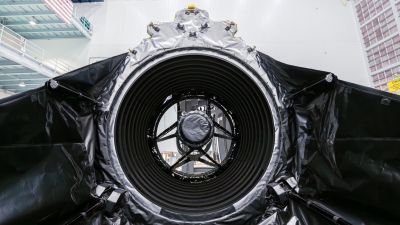
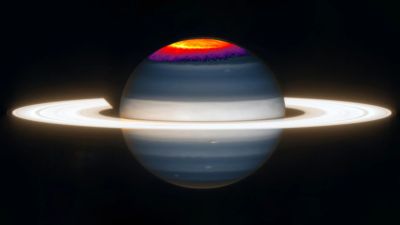
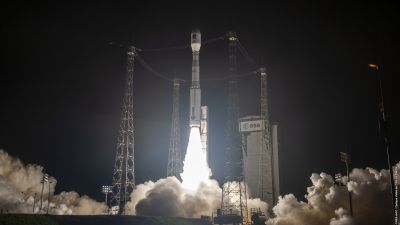
The ESA/CAS Smile mission, launching on 19 May 2026, will use advanced imaging to study Earth's magnetosphere and auroras, enhancing our und...
The blog
Deep dives on space telescopes - JWST, Hubble, Chandra, and what comes next.
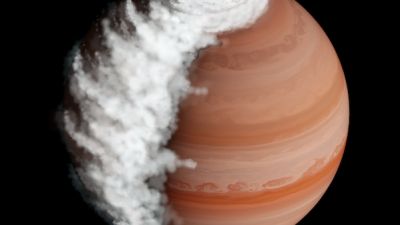
The James Webb Space Telescope reveals a daily weather cycle with mineral clouds on the exoplanet WASP-94A b, located about 700 light-years away.
The ESA/CAS Smile mission, launching on 19 May 2026, will use advanced imaging to study Earth's magnetosphere and auroras, enhancing our und...
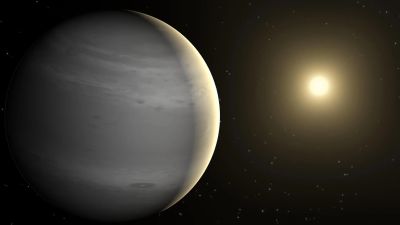
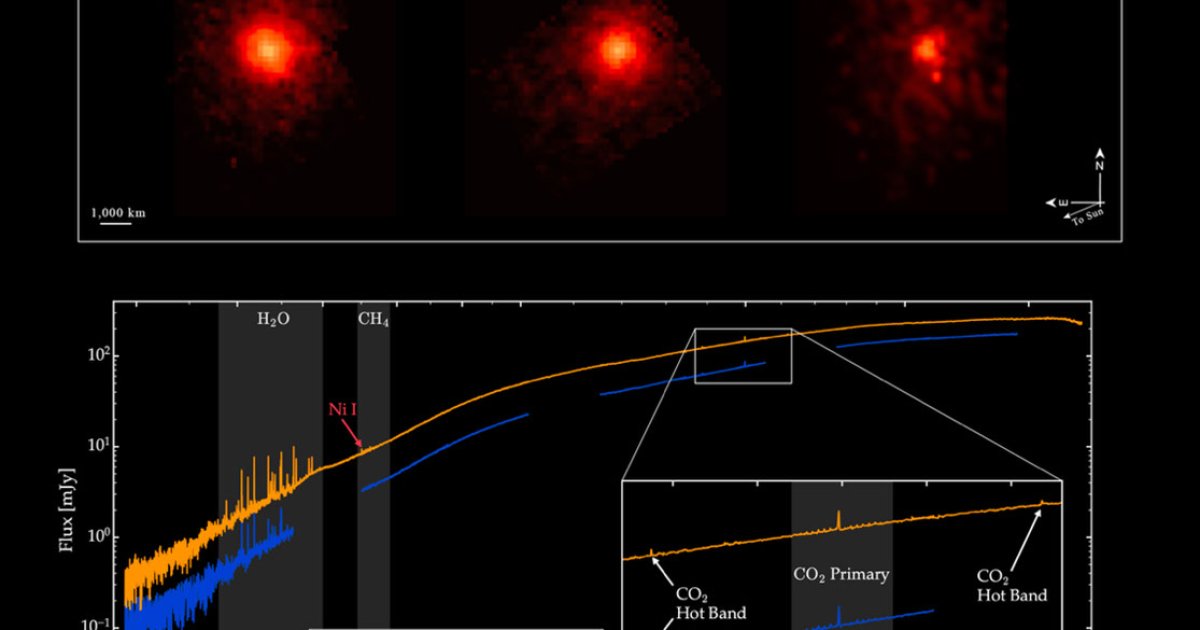
The James Webb Space Telescope's 2026 observations of TOI-199b reveal a unique atmospheric composition, filling a gap between hot Jupiters a...
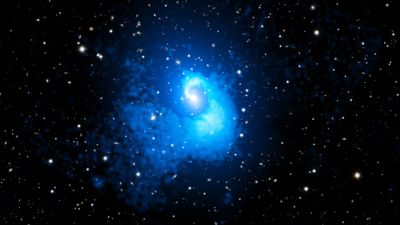
Chandra's deepest observation of Abell 2029 uncovers a 2-million-light-year 'sloshing spiral' of hot gas, revealing insights into galaxy-clu...
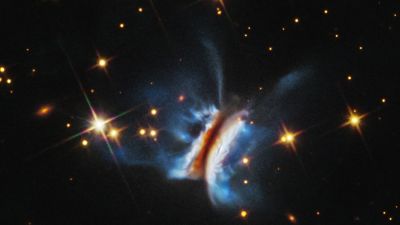
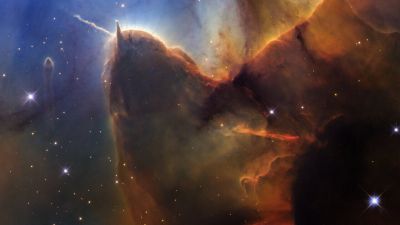
Explore Hubble's latest image of the Trifid Nebula, focusing on the Herbig-Haro 399 protostar jet and its evolution since 1997.
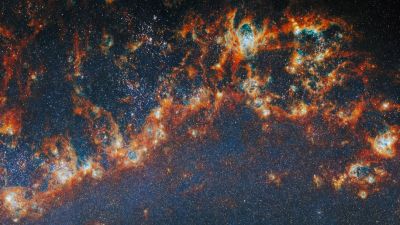
The FEAST programme, using Webb and Hubble, uncovers the timelines for star cluster emergence in galaxies like M51 and M83, revealing insigh...
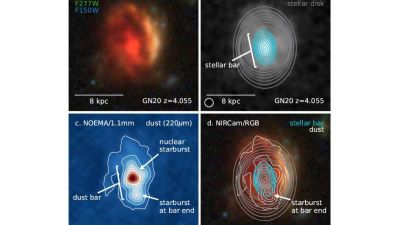
The James Webb Space Telescope (JWST) reveals that two early galaxies host black holes far more massive than expected, challenging existing...
In May 2026, astronomers released the most detailed map of the cosmic web, leveraging data from NASA's JWST COSMOS-Web survey to trace 164,0...
The James Webb Space Telescope's observation of LHS 3844 b reveals a dark, airless world, offering insights into atmosphere retention and su...
JWST's NIRSpec uncovers a massive, non-rotating galaxy from the early universe, challenging existing galaxy-evolution models.
The James Webb Space Telescope's study of XMM-VID1-2075 reveals a massive, non-rotating galaxy from less than 2 billion years after the Big...
The James Webb Space Telescope has discovered a young galaxy that defies conventional galaxy formation models by showing no rotation, a trai...