Introduction to IMAP's Mission
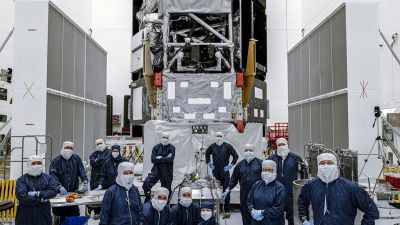
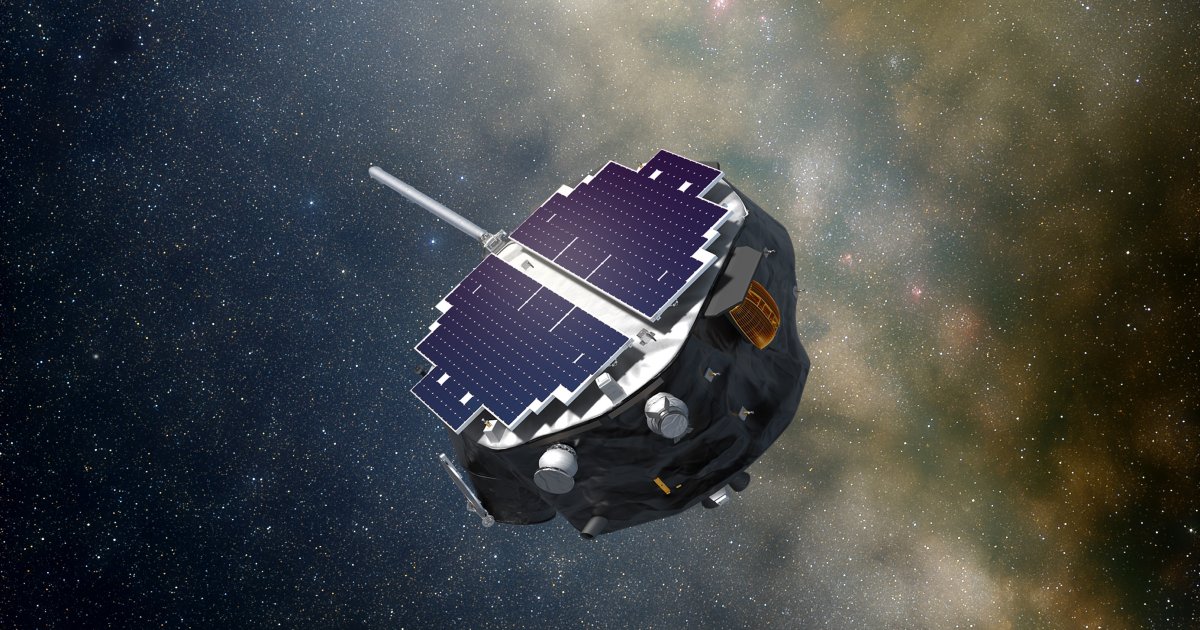
On August 7, 2026, NASA's Interstellar Mapping and Acceleration Probe (IMAP) released its first set of scientific data, marking a significant milestone in our understanding of the heliosphere boundary. This mission aims to map the interactions between solar wind and the interstellar medium, providing crucial insights into how our solar system is shielded from harmful galactic cosmic rays.
What IMAP Measures at the Heliosphere Boundary
IMAP is equipped with seven sophisticated instruments designed to study the heliosphere's outer boundary, where the solar wind meets the interstellar medium. This region acts as a protective shield, deflecting and slowing down galactic cosmic rays that could otherwise pose a threat to life on Earth. By measuring energetic neutral atoms (ENAs) and pickup ions, IMAP helps scientists understand the processes that govern this natural barrier.
The Importance of the Heliospheric Shield
The heliosphere plays a critical role in protecting our solar system from high-energy particles originating from outside the solar system. These galactic cosmic rays can have detrimental effects on both biological organisms and electronic systems. Understanding the dynamics of this shield is essential for assessing the potential risks posed by cosmic radiation, especially as space exploration efforts intensify.
First Datasets: Insights into Energetic Neutral Atoms and Pickup Ions
The initial datasets from IMAP provide unprecedented detail about ENAs and pickup ions. Energetic neutral atoms are created when charged particles from the solar wind exchange electrons with neutral atoms in the interstellar medium. These ENAs travel back into the solar system, where they can be detected by IMAP. The data reveal variations in ENA flux, which scientists estimate could help map the structure of the heliosphere boundary.
Pickup ions, on the other hand, are interstellar particles that become ionized and 'picked up' by the solar wind. IMAP's measurements of these ions offer insights into the composition and dynamics of the interstellar medium. The data suggest that these ions play a significant role in shaping the heliosphere's boundary.
IMAP's Role in Complementing IBEX and Voyager
IMAP's mission builds on the legacy of previous missions like the Interstellar Boundary Explorer (IBEX) and the Voyager spacecraft. While IBEX has provided valuable data about the heliosphere's outer boundary, IMAP's advanced instruments offer higher resolution and sensitivity. This allows for more detailed mapping of the heliosphere and better understanding of its interactions with the interstellar medium.
The Voyager spacecraft, which have traveled beyond the heliosphere, offer a different perspective by providing in-situ measurements of the interstellar medium. Together, these missions create a comprehensive picture of the heliosphere and its protective role.
Conclusion
The release of IMAP's first science data marks a pivotal moment in heliophysics research. By enhancing our understanding of the heliosphere boundary, IMAP contributes to safeguarding our planet from cosmic radiation and informs future space exploration strategies. As scientists continue to analyze these datasets, new discoveries about our solar system's interaction with the galaxy are anticipated.
For more information, visit NASA's official IMAP mission page.