Artemis III Live Tracker
Follow NASA's Artemis III - a crewed test flight that will demonstrate rendezvous and docking between the Orion spacecraft and human landing system test articles from Blue Origin and SpaceX, paving the way for the Artemis IV Moon landing.
Welcome to the Artemis III tracker - your hub for NASA's crewed rendezvous and docking test flight, targeted for 2027. This Artemis 3 tracker covers the crew, mission timeline, the latest NASA news, and an image gallery, plus a dedicated page on the HLS docking demonstration with Blue Origin's Blue Moon and SpaceX's Starship - the test flight that clears the path to the Artemis IV Moon landing.
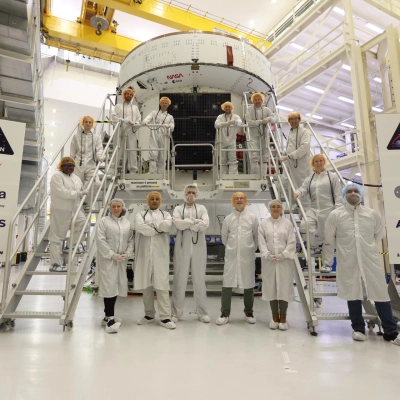
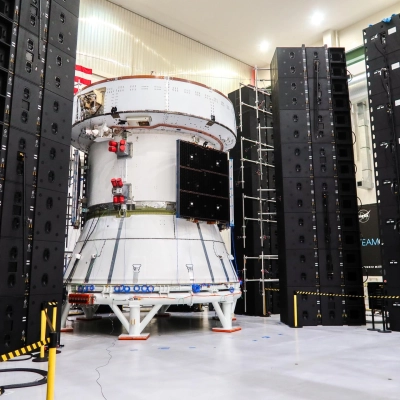
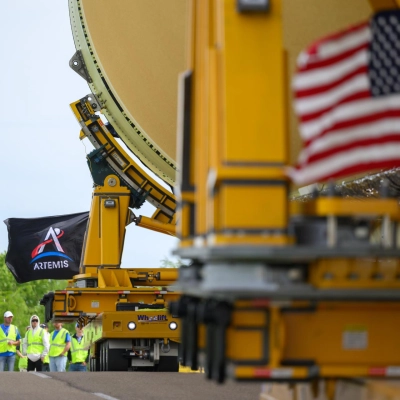
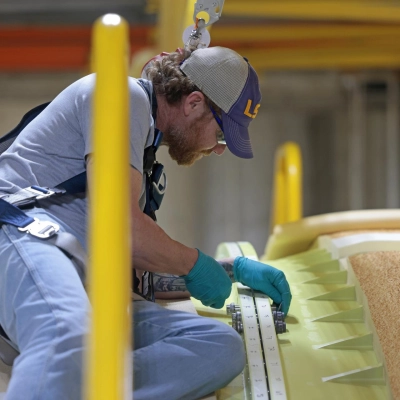
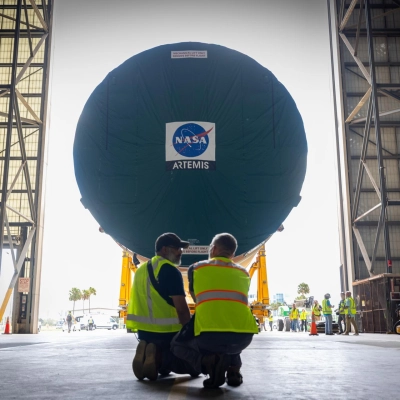
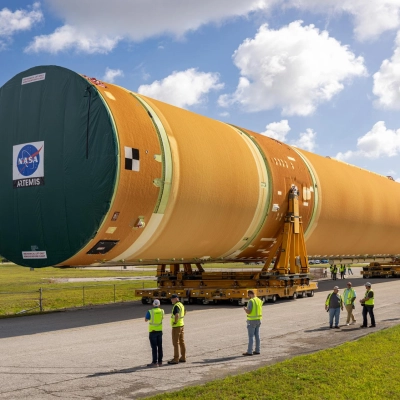
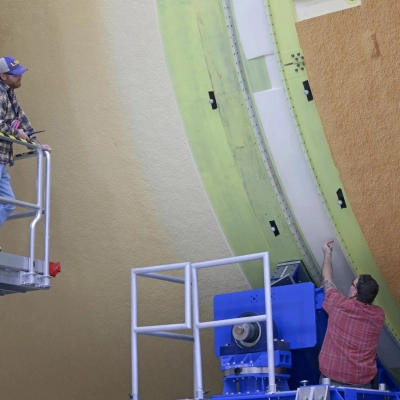
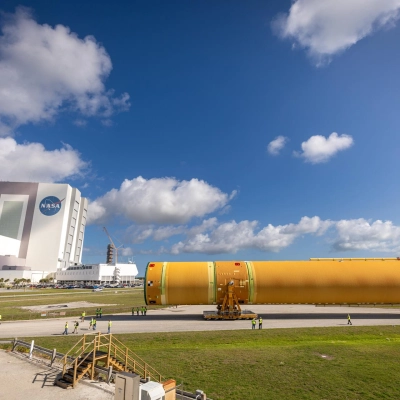
Artemis III Mission Gallery
Latest images from the Artemis III mission
Mission at a Glance
Meet the Crew
NASA named the four-person Artemis III crew in 2026 - including ESA astronaut Luca Parmitano.
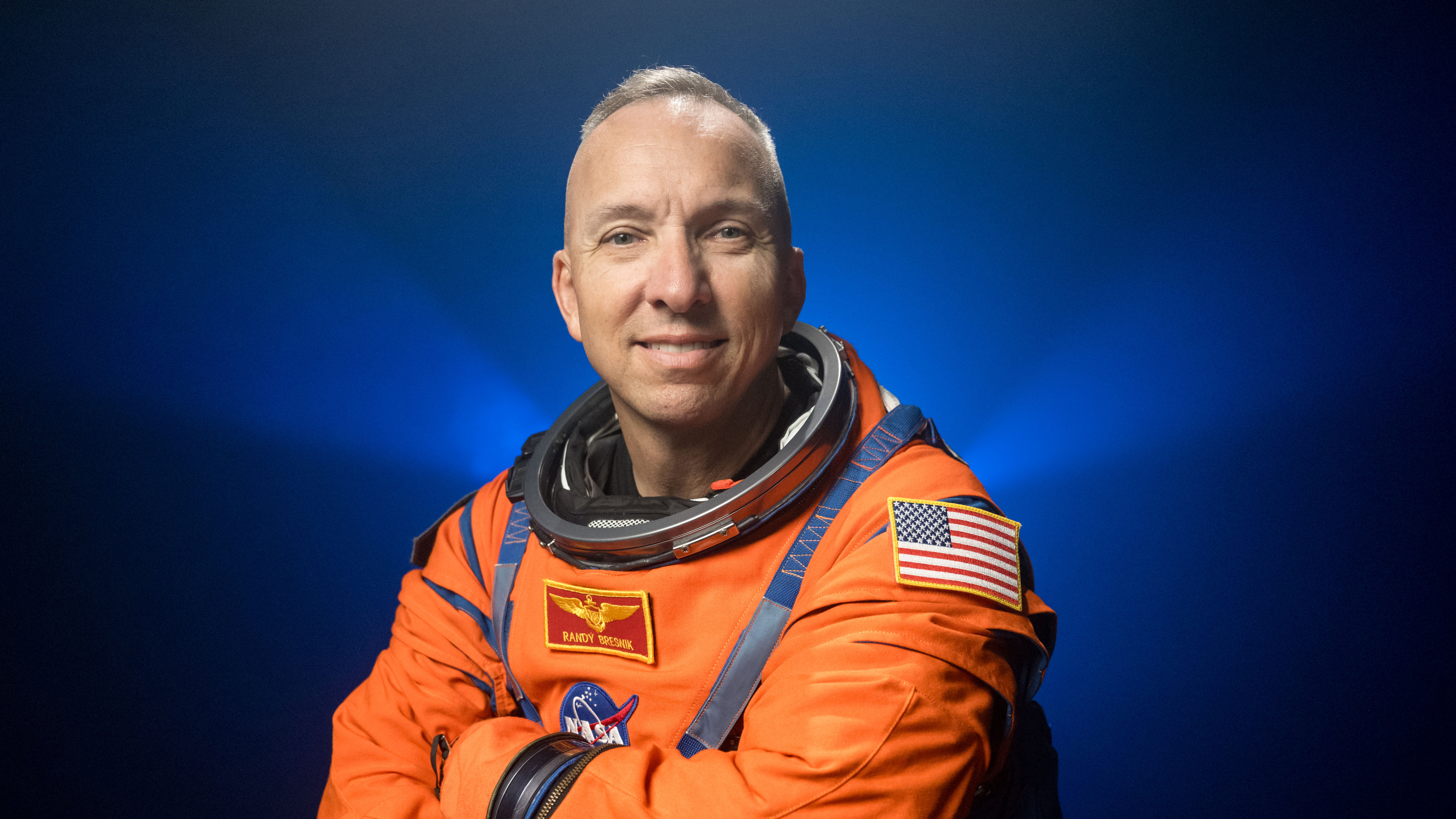
Randy Bresnik
🇺🇸 United States
Retired U.S. Marine Corps colonel and veteran NASA astronaut. Flew on space shuttle mission STS-129 and commanded the International Space Station during Expedition 53.
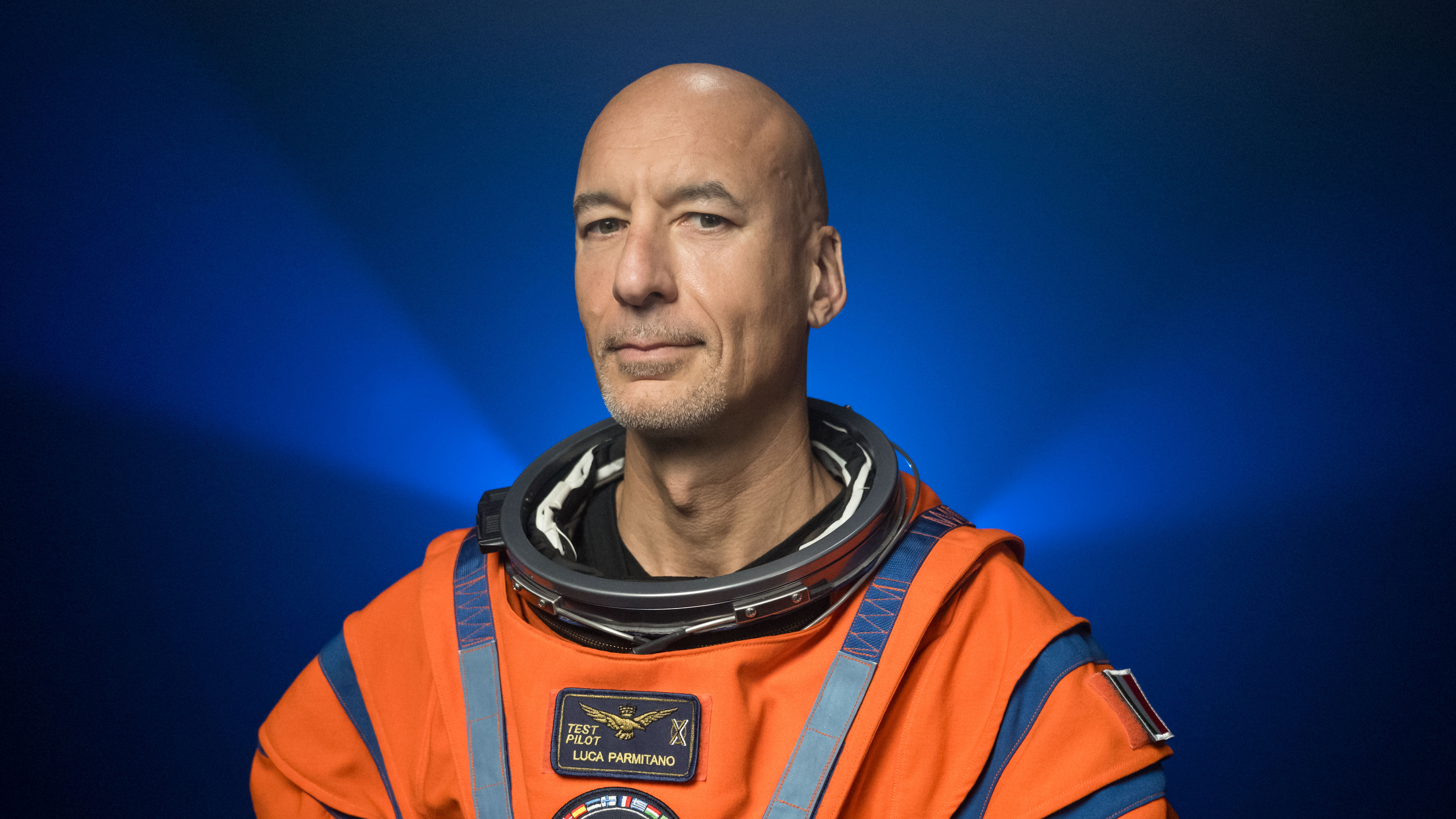
Luca Parmitano
🇮🇹 Italy (ESA)
European Space Agency astronaut and Italian Air Force test pilot. The first Italian to command the International Space Station, during Expedition 61.
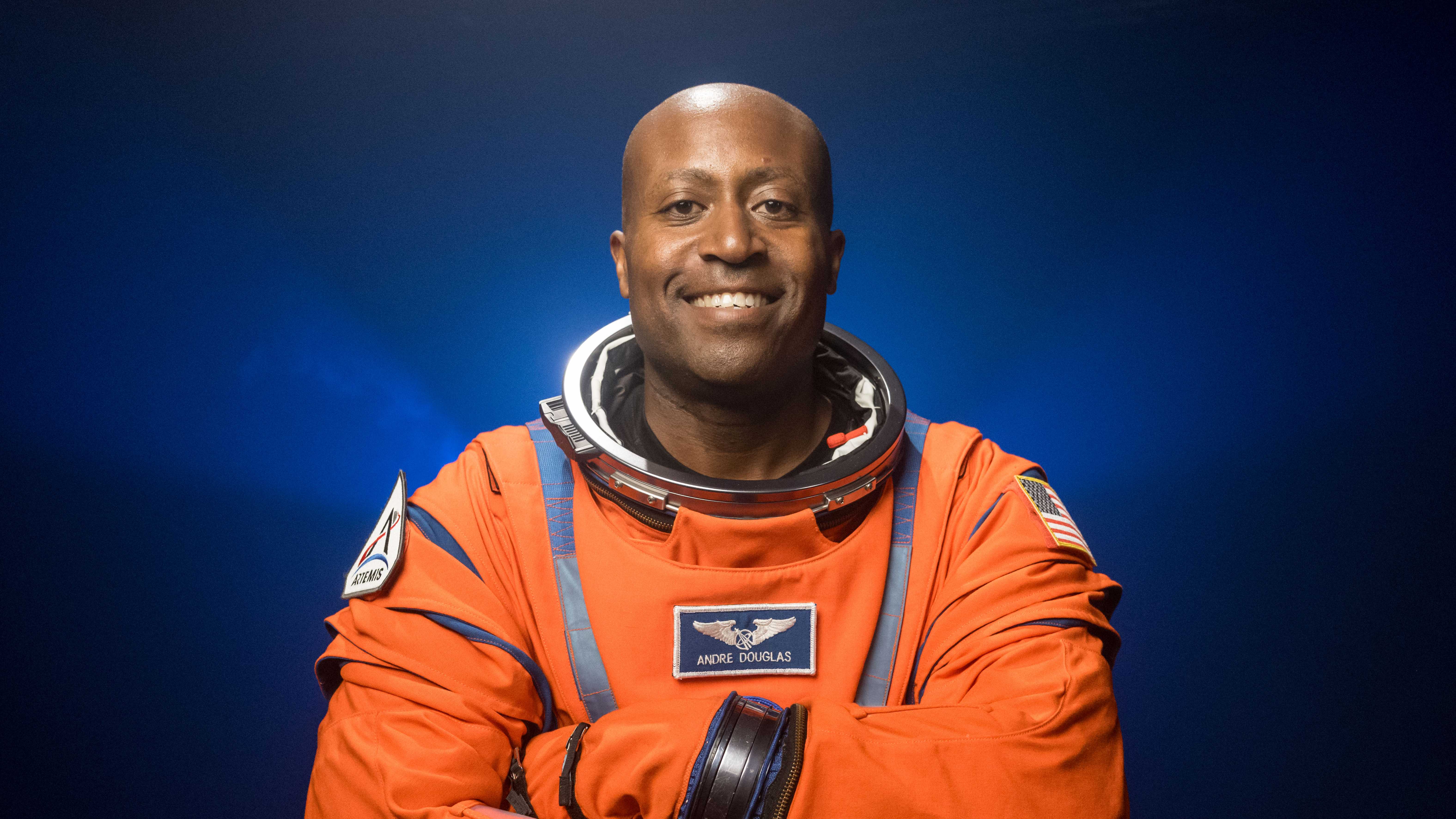
Andre Douglas
🇺🇸 United States
NASA astronaut selected in 2021, former U.S. Coast Guard officer and naval architect. Artemis III will be his first spaceflight.
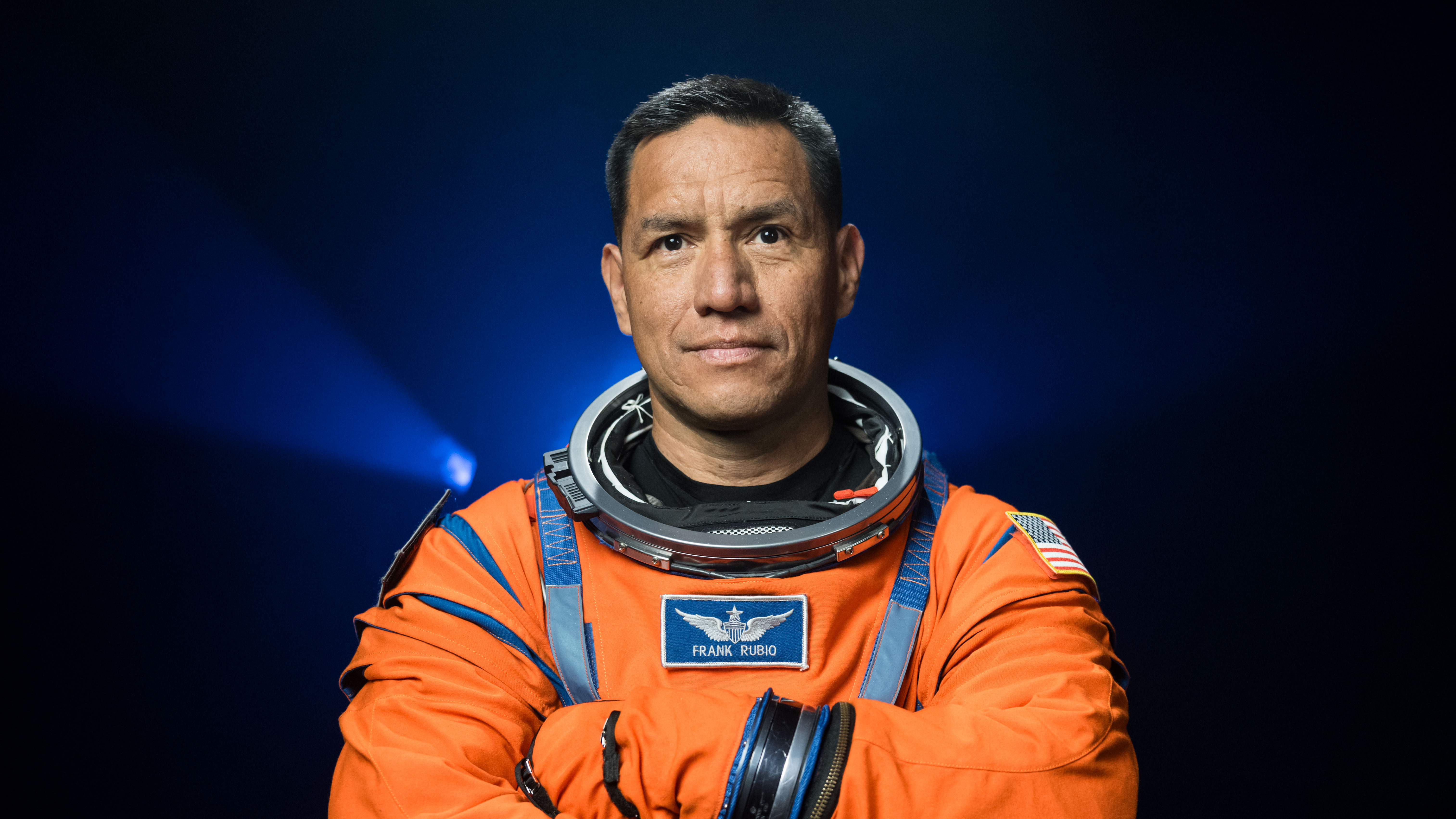
Frank Rubio
🇺🇸 United States
NASA astronaut, U.S. Army physician and helicopter pilot. Holds the record for the longest single spaceflight by an American astronaut at 371 days aboard the ISS.
Mission Timeline
Key phases of the Artemis III rendezvous and docking demonstration.
Launch
The Space Launch System (SLS) lifts off from Kennedy Space Center Launch Pad 39B, sending Orion and the four-person crew into space.
Orbital Checkout
The crew verifies Orion's life-support, navigation, and communication systems before the docking demonstrations begin.
Rendezvous with Blue Moon
Orion approaches and docks with Blue Origin's Blue Moon human landing system test article, spending about two days connected to test integrated hardware and interfaces.
Rendezvous with Starship
Orion connects with SpaceX's Starship human landing system test article for about a day, validating docking, software, propulsion, and communications interfaces.
Integrated Systems Tests
With the docking demonstrations complete, the crew runs further integrated tests that retire risk for the Artemis IV crewed lunar landing.
Return & Splashdown
Orion re-enters Earth's atmosphere and splashes down in the Pacific Ocean, closing out a roughly two-week mission.
Why Artemis III Matters
A crewed test flight that retires the biggest risks before humans land on the Moon.
First Crewed HLS Docking
The first time astronauts rendezvous and dock Orion with human landing system test articles in space.
Two Landers, One Mission
Artemis III tests hardware from both Blue Origin (Blue Moon) and SpaceX (Starship), reducing reliance on any single system.
International Crew
ESA astronaut Luca Parmitano flies as pilot, underscoring the global partnership behind Artemis.
The Bridge to Artemis IV
Proving these interfaces in space is the last major step before the first crewed lunar south-pole landing on Artemis IV in 2028.
The Road to the Moon
How Artemis III fits into NASA's campaign to return humans to the lunar surface.
Artemis I (2022)
An uncrewed test flight that sent Orion around the Moon and back, proving the SLS rocket and Orion spacecraft.
Artemis III (2027)
A crewed test flight that demonstrates rendezvous and docking with human landing system test articles in space.
Artemis IV (2028)
The first crewed landing of the program - astronauts will descend to the lunar south pole using a human landing system.
The Rendezvous & Docking Demonstration
Why this test flight is essential
Before astronauts can ride a human landing system down to the Moon, NASA must prove that Orion can safely rendezvous and dock with those landers in space. On Artemis III, the crew will connect Orion to test articles from Blue Origin and SpaceX, exercising the system interfaces, software, propulsion, and communications that a real landing mission depends on. Getting this right in space - not just on the ground - is what clears the path for the Artemis IV lunar landing.
Frequently Asked Questions
Everything you need to know about NASA's Artemis III crewed test flight.
results found
Artemis III is a crewed NASA test flight, targeted for 2027, that will demonstrate rendezvous and docking between the Orion spacecraft and human landing system (HLS) test articles from Blue Origin and SpaceX. It validates the hardware and interfaces needed before astronauts land on the Moon on Artemis IV.
No. Artemis III is a docking-demonstration test flight, not a landing mission. NASA rescoped the campaign so that the first crewed lunar south-pole landing now takes place on Artemis IV in 2028. On Artemis III, the crew tests docking with landing-system hardware in space.
Artemis III is targeted for 2027. NASA has not set a firm launch date; the schedule depends on the readiness of the SLS rocket, Orion spacecraft, and the human landing system test articles.
About two weeks in space. The crew spends roughly two days docked with Blue Origin's Blue Moon test article and about a day connected to SpaceX's Starship test article, with additional time for orbital checkout and integrated systems tests.
NASA named the crew in 2026: Commander Randy Bresnik (NASA), Pilot Luca Parmitano (ESA), and Mission Specialists Andre Douglas (NASA) and Frank Rubio (NASA). Bob Hines serves as backup.
Randy Bresnik, a retired U.S. Marine Corps colonel and veteran NASA astronaut, commands Artemis III. He previously flew on space shuttle mission STS-129 and commanded the International Space Station during Expedition 53.
Pilot Luca Parmitano flies as a European Space Agency astronaut, reflecting ESA's major contributions to Artemis - including the European Service Module that powers Orion. He was the first Italian to command the International Space Station.
Artemis III launches on NASA's Space Launch System (SLS) rocket and carries the crew in the Orion spacecraft, the same vehicles used on Artemis I and Artemis II. The human landing system test articles are provided by Blue Origin and SpaceX.
A human landing system is the spacecraft that carries astronauts from lunar orbit down to the Moon's surface and back. NASA has contracted two - Blue Origin's Blue Moon and SpaceX's Starship. Artemis III tests docking with versions of these vehicles in space before they are used to land crew on Artemis IV.
It proves that Orion and a human landing system can safely rendezvous and dock in space, and that their integrated hardware - system interfaces, software, propulsion, and communications - works together. These are the exact operations a real landing mission depends on.
Yes. The mission is planned to demonstrate docking with test versions from one or both American commercial human landing systems - Blue Origin's Blue Moon and SpaceX's Starship - reducing risk by exercising hardware from both providers.
Artemis III is focused on rendezvous, docking, and integrated systems testing rather than surface operations. There are no lunar surface EVAs - astronauts do not walk on the Moon on this mission. Surface activities begin with the Artemis IV landing.
Artemis II (2026) was a crewed lunar flyby that tested Orion with a crew aboard. Artemis III stays closer to home but takes the next step: docking Orion with human landing system test articles to prove the hardware needed for an actual Moon landing.
Under the current plan, the first crewed lunar landing since Apollo 17 takes place on Artemis IV in 2028, when astronauts descend to the Moon's south pole using a human landing system. Artemis III (2027) is the crewed docking-demonstration flight that comes first.
Artemis is NASA's program to return humans to the Moon and build a sustainable presence there as a stepping stone to Mars. It includes the SLS rocket, the Orion spacecraft, commercial human landing systems, and international partners contributing hardware such as ESA's European Service Module.
Use this Artemis III tracker for the crew, mission timeline, the latest NASA news, and an image gallery, plus a dedicated page on the rendezvous and docking demonstration. NASA also provides live coverage on NASA+, its YouTube channel, and the NASA app as the mission approaches.
No questions match your search
Try different keywords or
Showing top 5 questions — 16 questions answered about the Artemis III mission
Track Space from Your Phone
Download the James Webb Tracker app to explore the latest space telescope images and stay updated on Artemis and other missions.