Introduction to Katalyst LINK and Its Mission
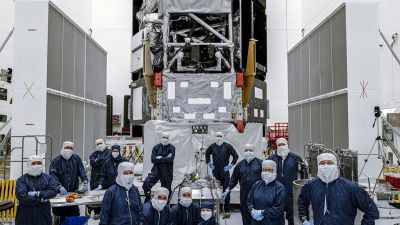
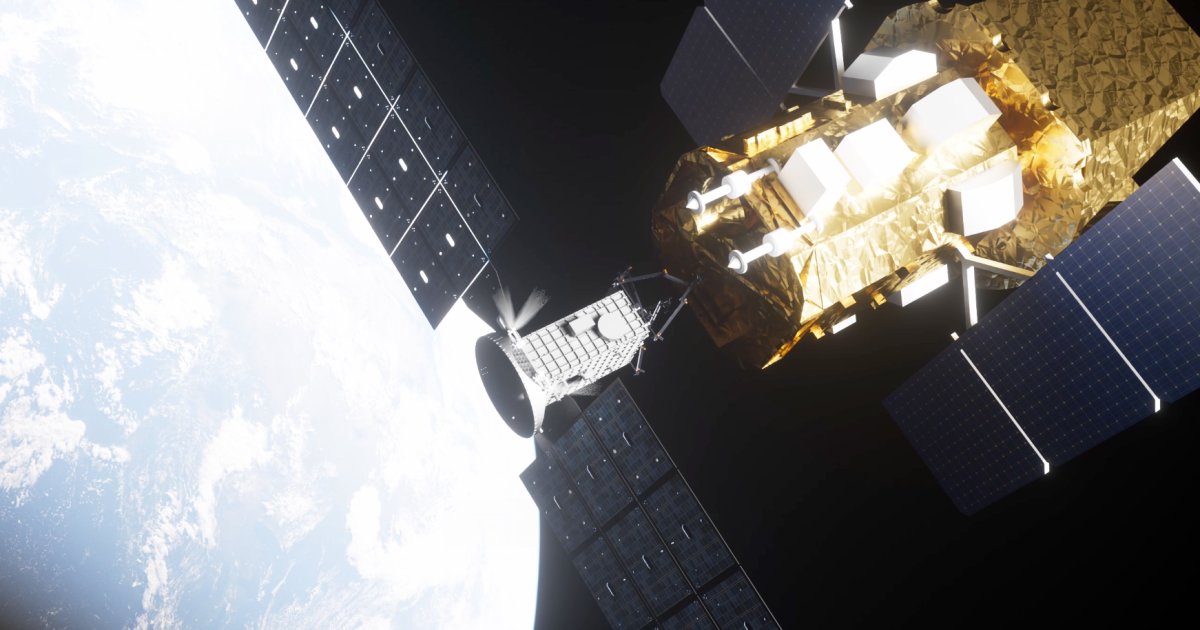
NASA is set to launch the Katalyst LINK robotic spacecraft on June 17, 2026, using a Northrop Grumman Pegasus XL rocket. This mission is groundbreaking as it represents the first commercial reboost of an active NASA science telescope, the Neil Gehrels Swift Observatory. The primary objective is to extend the operational life of Swift by boosting its decaying orbit, a necessity driven by increased solar activity.
The Legacy of the Neil Gehrels Swift Observatory
Launched in 2004, the Neil Gehrels Swift Observatory has been a cornerstone in the study of gamma-ray bursts (GRBs), which are among the most energetic events in the universe. Swift's unique ability to rapidly locate and observe these bursts has provided invaluable data, helping scientists understand the formation of black holes and neutron stars. The observatory's contributions have been pivotal in advancing our knowledge of the cosmos, making the upcoming reboost mission all the more significant.
Challenges of Orbital Decay
Swift's orbit has been gradually decaying due to atmospheric drag, exacerbated by heightened solar activity. Increased solar radiation causes Earth's atmosphere to expand, increasing drag on low-Earth orbit satellites like Swift. Without intervention, this decay would eventually lead to the observatory's deorbiting, ending its scientific mission prematurely.
Katalyst LINK: A New Frontier in Satellite Servicing
The Katalyst LINK mission is a collaboration between NASA and commercial partners, aiming to demonstrate the viability of in-orbit servicing. This mission could pave the way for future satellite servicing missions, potentially extending the life of numerous satellites and reducing space debris.
Technical Aspects of the Mission
Katalyst LINK will rendezvous with Swift and use its robotic capabilities to attach to the observatory. Once secured, it will utilize its propulsion system to elevate Swift's orbit, counteracting the effects of atmospheric drag. This maneuver requires precise navigation and control to ensure the safety and success of the operation.
Implications for Future Missions
Success with Katalyst LINK could revolutionize how we manage satellite fleets, offering a sustainable solution to extend the operational life of space assets. This mission could lead to more frequent and cost-effective servicing missions, reducing the need for new satellite launches and mitigating space debris.
Conclusion
The Katalyst LINK mission is a significant step forward in satellite servicing technology. By extending the life of the Neil Gehrels Swift Observatory, NASA and its partners are not only preserving a vital scientific resource but also setting a precedent for future missions. As we look to the future, the ability to service and extend the life of satellites in orbit will become increasingly important, both for scientific exploration and commercial endeavors.
For more detailed information on the mission, you can visit NASA's official blog.