Introduction
The Andromeda galaxy, also known as M31, has long been a subject of fascination for astronomers. Now, a groundbreaking analysis using data from the Hubble Space Telescope has revealed that star formation in this neighboring galaxy has been winding down for the past 500 million years. The most dramatic decline has occurred in the last 40 million years, according to a study published on July 27, 2026, in the Astrophysical Journal and highlighted by a NASA release on August 3, 2026.
Mapping Andromeda's Stars
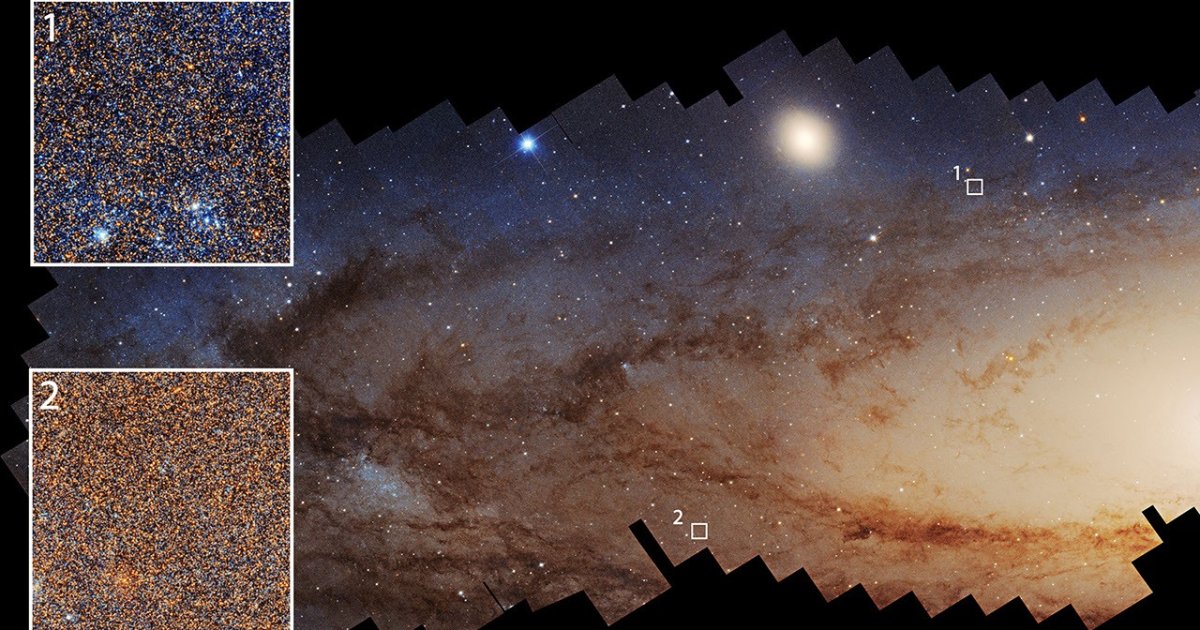
Lead author Tobin Wainer from the University of Washington spearheaded the research, mapping 200 million individual stars across two-thirds of Andromeda's disk. This comprehensive survey was achieved through the use of two extensive Hubble surveys, which provided unprecedented insights into the galaxy's star-forming activities.
Wainer and his team focused on a ~32,000-light-year star-forming ring within Andromeda. This region has shown a significant decline in star formation, which is crucial for understanding the galaxy's evolutionary trajectory.
Star Formation Decline
The study indicates that Andromeda's star formation has been slowing down for half a billion years. However, the steepest decline has occurred in the last 40 million years, a period characterized by a significant reduction in the formation of new stars. Scientists estimate that this decline could be linked to various factors, including changes in the galaxy's interstellar medium or interactions with neighboring galaxies.
These findings are crucial for understanding the life cycle of galaxies and the processes that govern star formation. As galaxies age, their star-forming capabilities diminish, leading to a gradual shift in their structure and composition.
Implications for Galactic Evolution
The decline in star formation in Andromeda offers a window into the future of our own Milky Way galaxy. Both galaxies are on a collision course, expected to merge in about 4.5 billion years. Understanding Andromeda's star formation patterns can provide valuable insights into what might occur during and after this cosmic event.
Moreover, the study highlights the importance of using advanced telescopes like Hubble to map and analyze distant galaxies. These observations are essential for constructing accurate models of galactic evolution and understanding the universe's history.
Conclusion
The new Hubble analysis of the Andromeda galaxy marks a significant advancement in our understanding of galactic evolution. With star formation winding down, Andromeda provides a unique case study for astronomers to explore the complex processes that govern the life cycles of galaxies. As we continue to unravel the mysteries of the universe, studies like this underscore the vital role of space telescopes in expanding our cosmic knowledge.