Introduction to 'Leaky' Galaxies
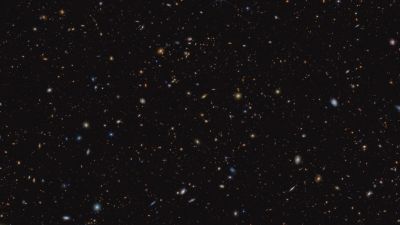
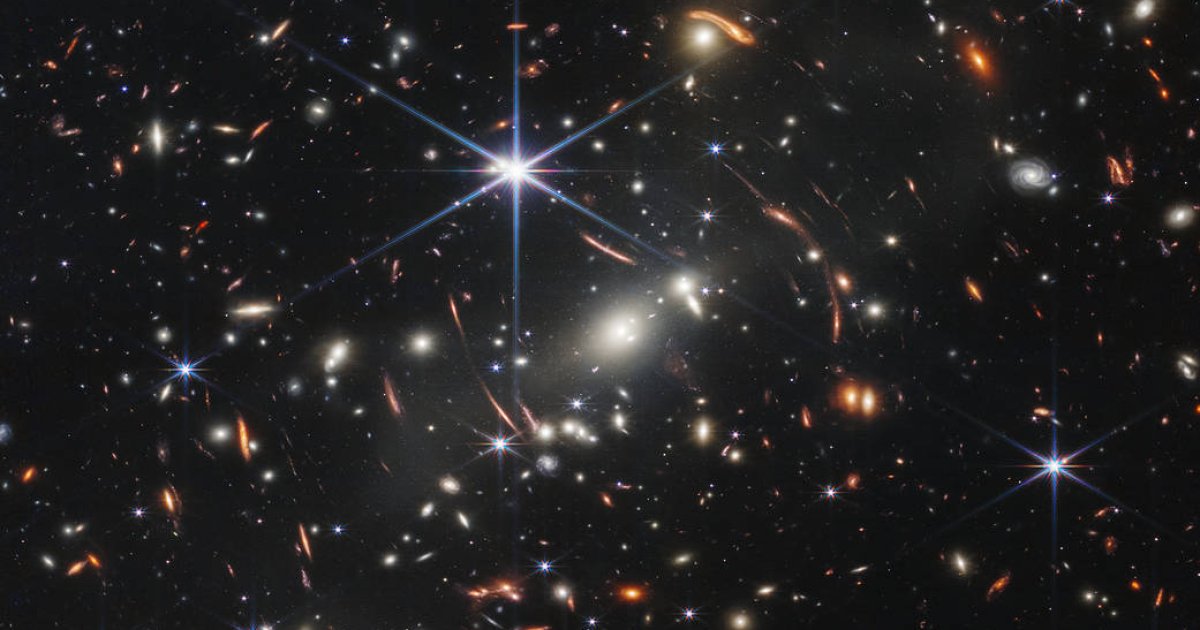
A groundbreaking study using data from the James Webb Space Telescope (JWST) and its Near Infrared Spectrograph (NIRSpec) has provided new insights into the role of 'leaky' galaxies during the reionization era. This study, published in July 2026, analyzed 1,428 galaxies from the reionization epoch, specifically those at redshifts z=5-10, and found that approximately 20% of these galaxies exhibit a significant escape of Lyman-continuum photons. These 'leaky' galaxies are crucial as they supply about 87% of the ionizing photons necessary for cosmic reionization.
NIRSpec's Role in Identifying Escape Fractions
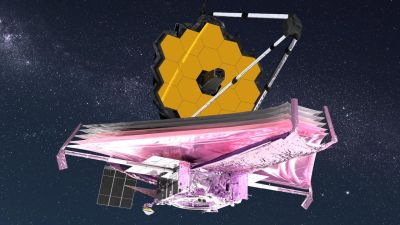
NIRSpec, one of JWST's primary instruments, was pivotal in measuring the escape fraction of ionizing photons from these early galaxies. The escape fraction indicates the percentage of ionizing photons that manage to escape a galaxy's interstellar medium and contribute to reionizing the intergalactic medium. By analyzing the spectral lines in the ultraviolet range, NIRSpec can determine the presence and intensity of these escaping photons. This methodology allows scientists to accurately quantify the escape fractions, which were found to be greater than 10% for the 'leaky' galaxies identified in this study.
Implications for Cosmic Reionization
The discovery that a minority of galaxies are responsible for the majority of ionizing photons reshapes our understanding of cosmic reionization. Previously, it was uncertain which sources were primarily responsible for this pivotal phase in the universe's history. The study's findings suggest that these 'leaky' galaxies, despite being fewer in number, have a disproportionately large impact on reionization. This challenges earlier models that assumed a more uniform contribution from a larger number of galaxies.
By establishing that these galaxies are key contributors, the study provides a clearer picture of the mechanisms driving reionization. This insight is crucial for refining models of the early universe and understanding how the first stars and galaxies influenced their surroundings.
Future Research Directions
The findings from this study open several avenues for future research. Scientists estimate that further observations with JWST could identify more 'leaky' galaxies and refine the escape fraction measurements. Additionally, understanding the physical properties that enable these galaxies to have high escape fractions could provide deeper insights into galaxy formation and evolution during the reionization era.
As more data becomes available, researchers will continue to explore the characteristics and environments of these 'leaky' galaxies. This could involve studying their star formation rates, mass, and other properties that might correlate with high escape fractions.
Conclusion
The JWST/NIRSpec study offers a significant step forward in our understanding of the early universe. By highlighting the role of 'leaky' galaxies in cosmic reionization, it provides a new perspective on how the universe transitioned from a neutral to an ionized state. As JWST continues to explore the cosmos, it promises to unravel more secrets of the early universe, helping us piece together the complex puzzle of cosmic history.