Introduction to Population III Stars
Population III stars are hypothesized to be the first generation of stars formed after the Big Bang. Unlike later generations, these stars are believed to be metal-free, consisting entirely of hydrogen, helium, and trace amounts of lithium. Their existence is crucial for understanding the early universe, particularly the era of reionization, when the first light sources ionized the neutral hydrogen that filled the cosmos.
The Importance of Finding Population III Stars
Identifying Population III stars is vital for piecing together the timeline of cosmic evolution. These stars are thought to have played a significant role in reionizing the universe, a process that made the cosmos transparent to ultraviolet light. By studying these ancient stars, astronomers hope to gain insights into the conditions that led to the formation of galaxies and the large-scale structure of the universe.
Richard Ellis's Multi-Sightline JWST Survey
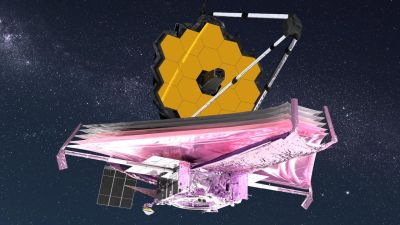
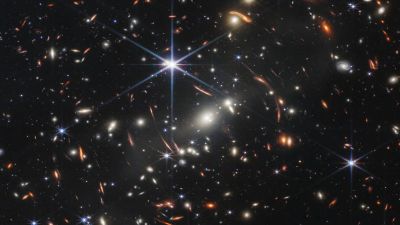
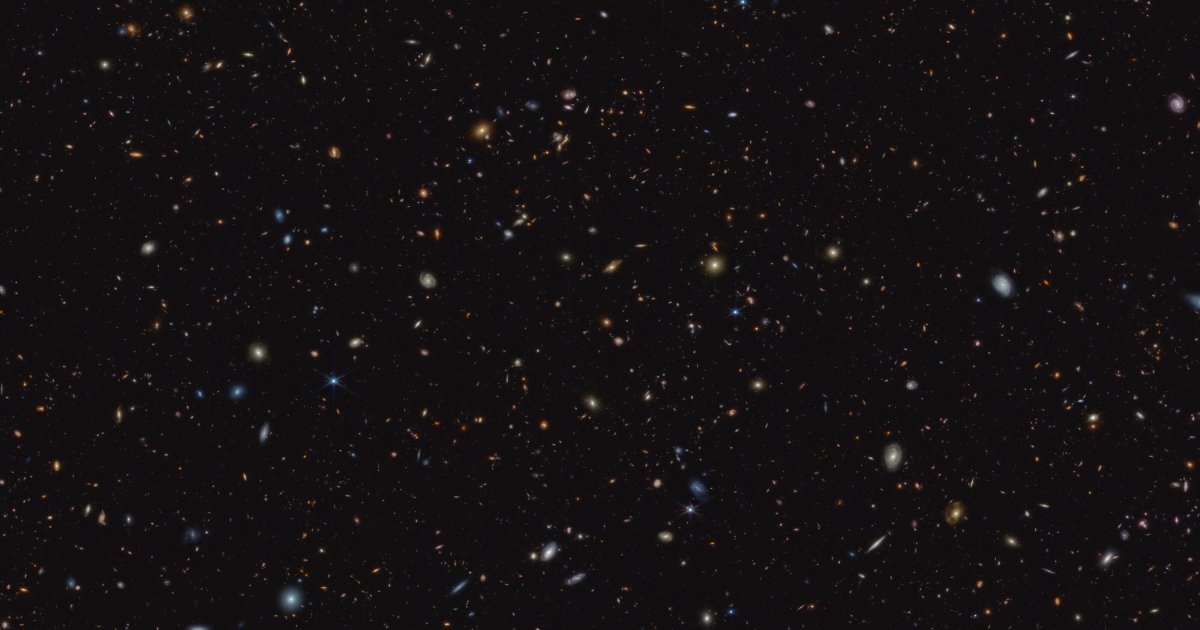
Astronomer Richard Ellis from University College London is leading a groundbreaking survey using the James Webb Space Telescope (JWST) to hunt for these elusive Population III stars. This ambitious project employs 150 narrow filters across a 0.6 square degree area, enabling a detailed examination of the early universe. The survey aims to detect a sharp decline in galaxy formation activity approximately 150-200 million years after the Big Bang, a period critical for understanding the emergence of the first stars and galaxies.
How JADES Spectroscopy Aids the Search
The JWST Advanced Deep Extragalactic Survey (JADES) is a key component in the search for Population III stars. By utilizing advanced spectroscopy, JADES can identify the chemical signatures of early stars and galaxies. This technique allows scientists to differentiate between metal-free stars and those containing heavier elements, bringing us closer to confirming the existence of Population III stars.
Challenges and Future Prospects
Despite the advanced capabilities of JWST, detecting Population III stars remains a formidable challenge. These stars are expected to be extremely faint and short-lived, making them difficult to observe directly. However, scientists estimate that indirect detection through their effects on surrounding gas and subsequent generations of stars is possible. As JWST continues its mission, astronomers remain hopeful that it will provide the first direct evidence of these primordial stars.
For more information on the hunt for the universe's first stars, visit Universe Today or explore resources from the NASA and ESA websites.